Camo Love: A Colorful Typeface for Bold, Modern Design
Let's be honest: most fonts play it safe. They stick to one color, one mood, and one predictable lane. Then something like Camo Love walks in and completely changes the conversation. This isn't just another typeface sitting quietly in your font library—it's a vibrant, personality-packed display font that demands attention and refuses to blend into the background.
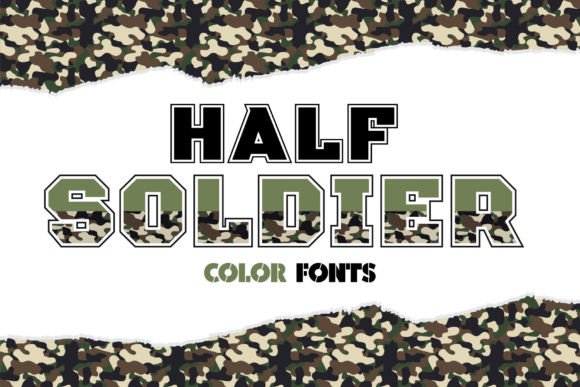
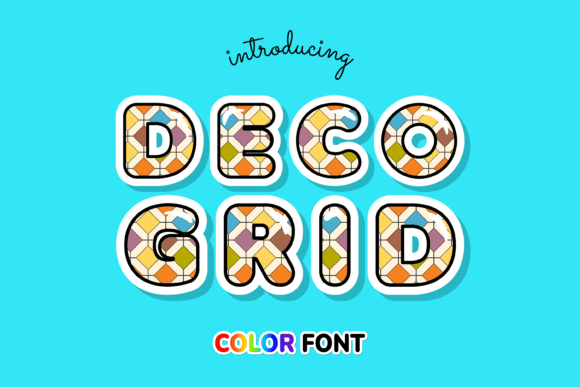
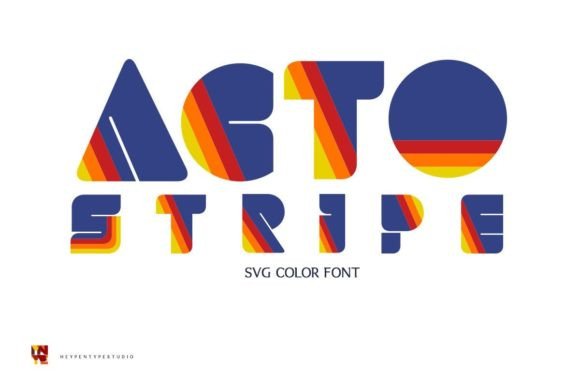
What makes Camo Love stand out immediately is its dynamic use of color. Instead of the usual single-tone letterforms you're used to seeing, this font layers bright, contrasting hues into each character. Think electric blues meeting warm oranges, vivid greens paired with punchy pinks. The result feels modern, playful, and undeniably fresh—exactly the kind of visual energy that makes people stop scrolling and actually look at what you've created.
Why a Colorful Font Changes Everything for Your Projects
If you've ever struggled to make a design feel lively without relying on busy backgrounds or excessive graphics, a font like Camo Love solves that problem elegantly. The color is baked right into the letterforms themselves. That means your typography becomes the focal point, carrying visual weight and personality without needing additional design elements to prop it up.
For small business owners and entrepreneurs, this is genuinely useful. Imagine you're launching a new product line and need packaging that pops on a crowded shelf. Or maybe you're a content creator who wants Instagram graphics that actually stand out in a sea of beige minimalism. A colorful display font gives you that instant visual differentiation that so many brands struggle to achieve.
Here's where Camo Love really shines in practical applications:
- Logo design that feels energetic and contemporary without looking childish
- Social media graphics that grab attention during those crucial first two seconds of scrolling
- Packaging design for products targeting younger, trend-conscious demographics
- Event invitations that set a fun, celebratory tone from the first glance
- Merchandise like t-shirts, tote bags, and stickers where bold typography sells
- Website headers and hero sections that need to communicate brand personality instantly
- Poster design for promotions, launches, and announcements
- Digital products like worksheets, planners, or course materials that need visual appeal
Matching Typography to Your Brand's Personality
Choosing a font isn't just about what looks pretty—it's about alignment. Every typeface carries a personality, and the one you choose should match the message you're trying to communicate. Camo Love speaks in a voice that's confident, creative, and approachable. It says, "We're here to have fun, but we also know what we're doing."
That makes it particularly well-suited for brands in lifestyle, beauty, food and beverage, creative services, entertainment, and youth-oriented markets. If your brand identity leans toward playful sophistication rather than corporate austerity, this kind of modern typography fits naturally into your visual language.
But here's an important consideration: a display font like this works best as a headline or accent typeface. You wouldn't set an entire blog post or product description in a colorful, decorative font—readability would tank, and your audience would click away. Instead, pair it with a clean sans serif font or a simple serif font for body text. The contrast actually makes both fonts look better. Your headlines get the personality and punch they need, while your body copy stays readable and professional.
Practical Tips for Working with Bold, Colorful Type
Once you start using a font like Camo Love, a few practical guidelines will help you get the best results. First, give it breathing room. Colorful, bold typography needs space around it to really shine. Cramping it into a tight layout diminishes its impact. Generous margins and white space let the letterforms do their thing without competing against cluttered surroundings.
Second, think carefully about background colors. Since the font itself contains multiple hues, you'll want to test it against different backgrounds to find combinations that maintain contrast and readability. Solid, neutral backgrounds often work best—think white, black, or soft gray. Busy photographic backgrounds can clash with the font's inherent energy, making everything feel chaotic rather than intentional.
Third, take advantage of the full character set. One of the standout features of Camo Love is its PUA encoding, which means every glyph, swash, and alternate character is fully accessible. This matters more than you might think. Those extra flourishes and stylistic alternates give you creative flexibility to customize headlines, create monograms, or add decorative touches that make your designs feel truly unique. Many people download a premium font and only use the basic letterforms, missing out on half the value.
Font Pairing Strategies That Actually Work
Finding the right font pairing is one of those design skills that separates good work from great work. With a vibrant, character-rich typeface like Camo Love, your pairing choice becomes especially important because you need balance.
A few combinations worth testing:
- Camo Love + a geometric sans serif like Montserrat or Poppins for a clean, modern feel that works well in web design and digital marketing
- Camo Love + a classic serif like Playfair Display or Lora for editorial layouts and blog headers where you want personality mixed with elegance
- Camo Love + a simple handwritten font for craft projects, invitations, and casual brand identities that need warmth
- Camo Love + a monospaced typeface for an unexpected, contemporary contrast that works in creative portfolios and tech-adjacent branding
The key principle is contrast. If your display font is bold and colorful, your supporting font should be quieter and more restrained. That tension creates visual interest and keeps your layouts from feeling overwhelming.
Commercial Use and Licensing Considerations
For anyone planning to use Camo Love in commercial projects—and that includes client work, products for sale, marketing materials, and monetized content—make sure you understand the licensing terms attached to the font. Most premium fonts come with specific commercial licenses that outline what you can and cannot do. Some licenses cover unlimited personal and commercial use, while others may restrict the number of projects or require additional purchases for certain applications.
This isn't just legal housekeeping. Understanding font licensing protects you from potential issues down the road, especially if you're building a brand identity that will appear across multiple platforms and materials over time. A font you use in a logo today might need to appear on packaging, signage, merchandise, and digital ads tomorrow. Knowing your license covers all of that gives you peace of mind and prevents costly redesigns later.
Before committing to any creative font for a major branding project, test it thoroughly. Set real headlines with your actual brand copy, not just the sample text. Check how it looks at different sizes—what works beautifully at 72 pixels might lose clarity at 24 pixels. Print a test page if the project involves physical materials. View it on different screens and devices if it's heading to the web. These small steps save enormous headaches and ensure the typeface you've fallen in love with actually performs in the real world.
At the end of the day, fonts are tools. Some are versatile workhorses you'll reach for constantly. Others are specialty instruments you pull out for specific moments that need something extraordinary. Camo Love belongs firmly in that second category—a creative design asset that brings energy, color, and personality exactly where your projects need it most.