Clover Patrick Day: A Retro Font for Vibrant, Modern Designs
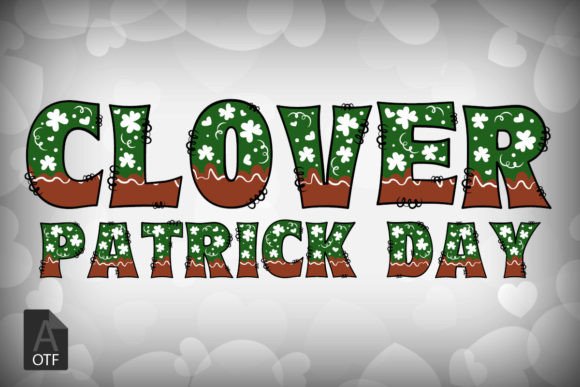
Finding a typeface that feels both nostalgic and fresh can be a game-changer for a project. You want something with personality, something that stands out in a sea of minimalist sans-serifs and elegant serifs, but it also needs to be versatile enough for real-world application. Enter Clover Patrick Day, a display font that channels a retro aesthetic through bold forms and a bright, energetic spirit. It’s not just a collection of letters; it’s a design tool built for impact, capable of transforming a simple layout into something memorable and full of character.
This font immediately evokes a sense of playful confidence. Its thick, rounded strokes and slightly condensed letterforms create a powerful visual presence, making it ideal for headlines, titles, and any text that needs to command attention. The design draws inspiration from vintage signage and mid-century advertising, where typography was often used as a primary graphic element. However, it avoids feeling dated by incorporating clean lines and a balanced rhythm that works seamlessly in contemporary digital and print environments. The result is a typeface that feels both familiar and excitingly new.
A Typeface That Brings Projects to Life
What truly sets Clover Patrick Day apart is its ability to inject energy into a design. The letter shapes have a subtle bounce, a dynamic quality that suggests movement and fun. This makes it particularly effective for projects targeting audiences who appreciate creativity and authenticity. Think of a local bakery’s new branding, the cover of a children’s activity book, or the poster for a community festival. This font doesn’t just convey a message; it conveys an experience, a mood of joyful creativity.
While its name might suggest a specific theme, its utility extends far beyond seasonal designs. The core aesthetic—a blend of boldness and approachability—is universally appealing for creating a strong first impression. It’s a creative font that doesn’t sacrifice readability for style. Each character is crafted to be distinct, ensuring that words remain clear even at a glance, which is crucial for everything from logo design to social media graphics where users scroll quickly.
From Branding to Packaging: Practical Applications
For designers and business owners, the real test of a font is how it performs across different mediums. Clover Patrick Day proves its worth as a versatile design asset. In branding, it can serve as the cornerstone of a visual identity for a boutique, a craft brewery, or a children’s brand. Its distinctive look helps with brand recognition, ensuring that a company’s name is remembered long after it’s seen.
When applied to packaging design, this typeface can make products leap off the shelf. Imagine it on a line of artisanal jams, a series of craft sodas, or even on merchandise like tote bags and t-shirts. Its retro charm communicates quality and care, appealing to consumers looking for products with a story. For editorial design, it can be used to create striking chapter headings in magazines or book covers that stand out in a digital marketplace.
The digital space is where this premium font truly shines. For websites and blogs, using Clover Patrick Day for hero sections or featured post titles immediately establishes a unique tone. It breaks the monotony of standard web fonts and can significantly boost audience engagement by making content feel more curated and intentional. On social media, graphics featuring this typeface have a higher chance of stopping the scroll. It’s perfect for Instagram story highlights, Pinterest pins, or YouTube thumbnails where visual impact is everything.
Pairing and Professional Presentation
Using a bold display font effectively often involves smart font pairing. The goal is to create a harmonious contrast that guides the viewer’s eye. A practical approach is to pair Clover Patrick Day with a clean, neutral sans-serif font for body text. This creates a clear hierarchy: the display font grabs attention for headlines, while the simpler font ensures longer blocks of text are easy to read. Alternatively, it can be paired with a simple serif for a more classic, editorial feel.
Before finalizing any project, it’s wise to test the font in context. Check how it renders at different sizes, from a large poster headline down to a small button on a website. Review the full character set and any included font styles, like bold or italic versions, to see how they can expand your typographic toolkit. This testing phase is key to ensuring visual consistency across all your materials, from digital ads to printed flyers.
Another important consideration is licensing. If you’re using Clover Patrick Day for commercial projects—like client work, products for sale, or monetized content—ensure you have the correct commercial font license. This protects both you and the font creator, allowing you to use the design asset confidently and legally in your professional endeavors.
Aligning Typography with Your Creative Vision
Ultimately, choosing a typeface like Clover Patrick Day is about aligning your visual communication with your project’s goals. It’s an excellent choice when you want to convey innovation, fun, nostalgia, or handcrafted quality. It works beautifully for marketing assets that need to feel energetic, for merchandise that should feel collectible, and for invitations that set a festive, welcoming tone.
This typeface demonstrates that modern typography doesn’t have to be cold or sterile. It can be warm, engaging, and full of personality. By thoughtfully incorporating it into your designs, you can elevate your professional presentation, create a stronger emotional connection with your audience, and build a visual language that is distinctly and memorably yours. Whether you’re a seasoned designer or a small business owner crafting your own materials, it offers a powerful way to make your mark.
Clover Patrick Day: Injecting Retro Charm into Modern Design
There’s a certain magic in a font that can make you smile before you’ve even read the words. It’s in the curve of a letter, the weight of a stroke, the subtle energy that seems to pulse from the page or screen. For designers and creators constantly searching for that perfect balance between standout appeal and practical use, discovering a typeface like Clover Patrick Day feels like finding a missing piece. This isn’t just another display font; it’s a vibrant character, a burst of retro-inspired confidence ready to transform your next project from ordinary to unforgettable.
At its core, this typeface is a celebration of bold, joyful design. Its thick, rounded forms and slightly condensed structure draw inspiration from vintage advertising and mid-century signage, where typography was meant to be seen and felt. Yet, it avoids feeling like a dusty relic. The clean execution and balanced proportions give it a fresh, contemporary edge, making it surprisingly versatile. It’s a creative font that carries the warmth of nostalgia with the clarity needed for today’s fast-paced visual landscape.
The Personality Behind the Glyphs
What makes a font truly useful is more than its aesthetic—it’s the personality it brings to a project. Clover Patrick Day exudes a sense of playful confidence. The letterforms have a subtle dynamism, a rhythmic quality that feels energetic without being chaotic. This makes it an exceptional choice for any context where you need to grab attention and convey a message with positivity and flair. Think of the header for a food blog, the title of a podcast about creative entrepreneurship, or the branding for a family-friendly event. It communicates approachability and creativity in equal measure.
While its name might evoke a specific theme, its design principles are timeless. The font’s strength lies in its ability to create instant visual interest. Used strategically, it can become the cornerstone of a brand identity that feels both distinctive and cohesive. It’s a premium font that doesn’t just decorate; it communicates. The weight and style ensure that your headline or logo won’t just be read—it will be remembered.
Real-World Applications for Maximum Impact
The true test of any design asset is how it performs in the wild. This is where Clover Patrick Day moves from being a nice idea to an indispensable tool in your kit. Its applications are broad, limited mainly by your imagination.
- Branding and Logo Design: For small businesses, boutiques, cafes, or creative studios, this font can form the heart of a logo. Its distinctiveness aids brand recognition, helping a company stand out in a crowded market.
- Packaging Design: Imagine it on a label for artisan coffee, a jar of homemade jam, or a line of natural cosmetics. The retro charm can communicate quality, care, and a handcrafted ethos that resonates with consumers.
- Social Media and Digital Content: In the endless scroll, a post set in this typeface demands a pause. It’s perfect for Instagram story headers, Pinterest graphics, YouTube thumbnails, and quote cards that need to pop with personality.
- Print and Editorial Layouts: Use it for magazine feature titles, book covers, poster headlines, or event flyers. It adds a layer of visual excitement to editorial design, making layouts feel more dynamic and engaging.
- Merchandise and Invitations: From t-shirts and tote bags to birthday party invitations and wedding save-the-dates, the font’s lively character makes it ideal for items meant to celebrate and be cherished.
For content creators and bloggers, integrating this typeface into your visual branding can create a stronger, more consistent aesthetic across your website, social media, and digital products. It helps in building a recognizable style that your audience comes to associate with your content.
Smart Typography: Pairing, Readability, and Licensing
Using a bold display font effectively is a skill. The key is to let it shine without overwhelming your design. A fundamental practice is font pairing. To maintain readability, pair Clover Patrick Day with a simple, neutral sans-serif or a clean serif font for body text. This creates a clear visual hierarchy: the display font for impact, the secondary font for comfortable reading. Test combinations to see what feels balanced for your specific project.
Always consider the context. While it’s fantastic for headlines, logos, and short bursts of text, using it for lengthy paragraphs would hinder readability. Review the full character set and any included styles—like bold or italic versions—to understand the full range of expression available. This allows for more nuanced typographic designs.
Finally, a crucial practical step: understand the licensing. If you’re using the font for commercial work—client projects, products for sale, or monetized content—ensure you have the appropriate commercial license. This protects your work and respects the creator’s effort, allowing you to use this design asset confidently and legally in your professional endeavors.
Aligning Your Font Choice with Project Goals
Choosing a typeface is a strategic decision. It’s about matching the font’s voice to your project’s message. Ask yourself: What emotion do I want to evoke? Who is my audience? What is the core personality of this brand or project?
Clover Patrick Day is an excellent choice when your goals include conveying innovation, fun, nostalgia, energy, or handcrafted quality. It’s a tool for visual communication that can significantly enhance audience engagement by making your designs feel more curated, intentional, and alive. In a world of digital sameness, a well-chosen typeface like this can be the secret ingredient that makes your work stand out, connect on a human level, and leave a lasting impression. It proves that modern typography can be both professional and profoundly playful.