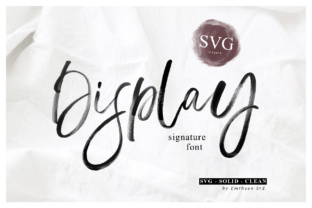
Display: The Hand-Lettered SVG Font for Authentic Branding
There’s a certain magic in typography that feels genuinely human. In a landscape filled with sterile, perfectly geometric vectors, the imperfect curves and textured strokes of hand lettering cut through the noise. This is precisely why modern designers and brand strategists are shifting toward font assets that offer character rather than just legibility. If you are looking to inject warmth, authenticity, and a tactile feel into your digital projects, understanding the capabilities of a premium font like Display is essential. It isn't just a typeface; it is a design asset that bridges the gap between digital precision and the organic beauty of a hand-brushed stroke.
The Rise of the SVG Font
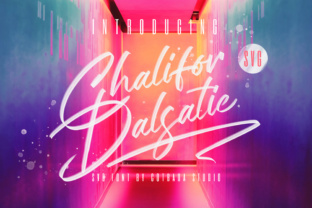
For years, typography was bound by the limitations of vector outlines. While clean and scalable, traditional vector fonts often lacked the subtle details that make physical media so appealing. The introduction of color fonts, specifically OpenType-SVG technology, changed the game entirely. Display utilizes this technology to render high-resolution bitmap data directly within the font file. What does this mean for you as a designer or business owner? It means the font retains the actual texture of the brush used to create it. You aren't just seeing a shape that looks like a brush; you are seeing the actual grit and flow of the ink.
This shift toward realistic typography is vital for anyone involved in visual communication. Whether you are a content creator looking to stand out on social media or a small business owner designing packaging, the visual weight of an SVG font is undeniable. It commands attention in a way that flat, solid vectors simply cannot. Display offers that "wow" factor right out of the box, providing a hand-lettering style that looks time-consuming to create manually but is as easy to use as typing on your keyboard.
Practical Applications: From Branding to Merchandise
The versatility of a well-crafted display font is one of its greatest strengths. Because Display comes in three distinct styles—SVG, solid, and clean—it adapts to a wide variety of contexts. You aren't locked into one aesthetic; you have the flexibility to match the font to the specific mood of your project.
Consider the world of branding and logo design. A logo needs to be memorable. Using a handwritten font like this can position a brand as approachable, artisanal, or creative. It works beautifully for coffee shops, boutique clothing lines, lifestyle blogs, or creative agencies that want to signal a personal touch. The SVG style is perfect for hero images on websites or large-scale posters where the texture can be fully appreciated at high resolution.
However, the utility extends far beyond the logo. Think about packaging design. In a crowded market, shelf appeal is everything. A bold, brush-style typeface on a product box or label immediately communicates quality and craftsmanship. Similarly, for digital products—such as e-books, online course headers, or lead magnets—using Display can elevate the perceived value of the content. It tells the audience that you care about the details.
For those in the merchandise space, the included solid and clean styles become particularly valuable. While the SVG version is stunning on screen, the solid version provides the high contrast needed for screen printing or heat transfers on t-shirts and tote bags. This adaptability ensures that your brand identity remains consistent across both digital and physical touchpoints.
Choosing the Right Style for Your Project
One of the most practical pieces of advice when working with a font family like this is to understand the specific use case for each style included in the package. Don't just default to the most textured option; match the style to the medium.
- The SVG Style: This is your heavy hitter for digital media. Use it for Instagram graphics, Pinterest pins, website headers, and digital invitations. It provides the highest level of realism and depth.
- The Solid Style: This version removes the texture but retains the shape. It is ideal for situations where you need high legibility at smaller sizes or when printing on textured materials where fine details might get lost.
- The Clean Style: This offers a slightly more refined look, perfect for editorial layouts or pairing with body text in blog posts.
When selecting a style, always consider your background. If you are placing text over a busy photograph, the Solid or SVG style with a high-contrast color will work best. If the background is minimal, the texture of the SVG style can add the necessary visual interest to fill the space without cluttering it.
Mastering Typography and Font Pairings
A common pitfall in design is using a display font for everything. While Display is beautiful, it is designed for headlines, sub-headers, and call-outs. Using a brush script for long paragraphs of body copy will inevitably hurt readability and frustrate your audience.
To create a balanced and professional presentation, you need to master the art of font pairing. Because this typeface has a strong, organic personality, it pairs best with something neutral and structured.
- Pair with Sans Serif: A clean, geometric sans-serif font (like Montserrat or Lato) provides a modern contrast. The rigid structure of the sans-serif balances the wild energy of the brush strokes, creating a layout that feels both professional and creative.
- Pair with Serif: For a more classic or editorial look, combine it with a traditional serif font. This works well for wedding invitations or lifestyle magazine layouts where elegance is key.
The goal of typography is visual consistency. Your headline font and body font should feel like they belong in the same family, even if they look different. The weight and flow of Display can anchor a design, while a simpler font handles the heavy lifting of information delivery.
Technical Considerations and Compatibility
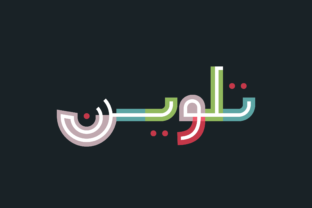
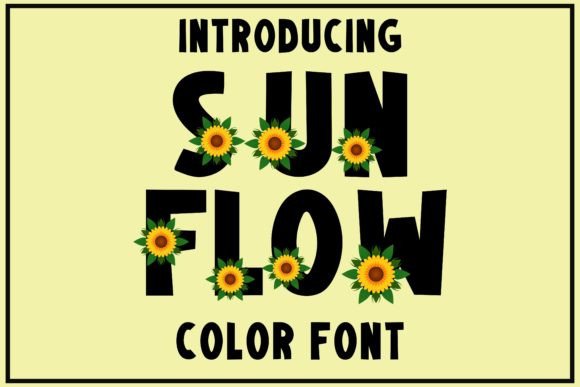
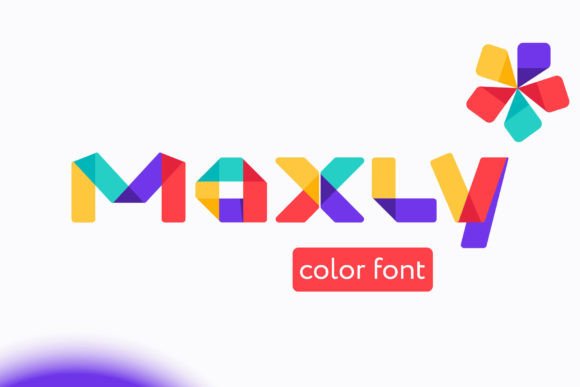
As you integrate this asset into your workflow, it is crucial to understand the technical environment. This is a color font (Opentype-SVG), which represents a new era of typography but does come with specific software requirements.
For the best experience, you should be using Adobe Photoshop, Adobe Illustrator, Silhouette, or Inkscape. These platforms fully support the rendering of SVG data, allowing you to see the beautiful brush textures as intended.
A Note on Cutting Machines: If you are a crafter using a Cricut machine, it is important to note that standard OTF and TTF files of SVG color fonts are generally not compatible with Cricut Design Space. The software often cannot interpret the color data or the complex paths of the SVG style. For Silhouette users, compatibility is typically much better, but always test your files. If you encounter issues, utilizing the "Solid" version of the font is often the best workaround for cutting machines, as it acts more like a traditional vector font.
For those unfamiliar with how to install or activate these specific font types, most font foundries provide a comprehensive guide. Checking the "Ultimate Font Guide" or similar documentation provided by the creator is a necessary step before starting your project to ensure a smooth design process.
Enhancing Audience Engagement
Ultimately, the tools you choose for your marketing assets and content creation should serve one goal: connection. In a digital world saturated with generic templates, a font with a hand-lettering style acts as a signal of authenticity. It suggests that a real human is behind the brand, which is a powerful psychological trigger for engagement.
When your audience sees a social media graphic or opens an email that features Display, they aren't just reading words; they are experiencing a visual vibe. It captures the energy of a brainstorming session or the creativity of an artist's studio. This emotional resonance is what turns a passive viewer into an active follower or customer.
Whether you are revamping a brand identity, launching a new product line, or simply looking for a creative font to spice up your blog graphics, investing in a high-quality typeface is investing in your visual voice. Display offers the perfect blend of artistic flair and functional versatility, making it an indispensable asset in the modern designer's toolkit.