Hemp: A Cool Color Font for Creative Weed-Inspired Designs
There’s a certain vibe that comes with well-executed weed culture design—it’s relaxed yet intentional, bold yet approachable. If you’ve been searching for a typeface that captures that balance, Hemp might be exactly what your next project needs. This creative display font brings a distinct personality to the table, one that feels both contemporary and rooted in a certain earthy authenticity. Whether you’re designing for a cannabis brand, creating merchandise, or developing visual content for a lifestyle blog, understanding how to use a font like this can make a tangible difference in your work.
Understanding the Visual Character of Hemp
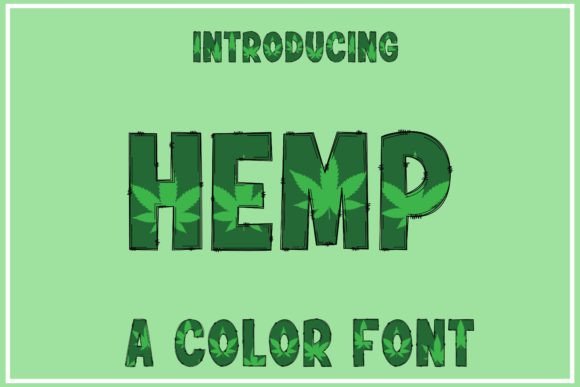
What makes Hemp stand out isn’t just its thematic connection to weed culture—it’s how the typeface is designed. The letterforms have a relaxed, slightly organic quality that avoids looking stiff or overly corporate. You’ll notice subtle details in the curves and terminals that give it personality without sacrificing legibility. It’s the kind of display font that works well at larger sizes, where those design details can really shine. The color font aspect adds another layer of versatility, allowing you to incorporate rich, vibrant hues directly into your typography without needing to manually add effects in your design software. That’s a practical advantage for anyone working on tight timelines.
Think about how many projects require a typeface that communicates a specific mood immediately. A cannabis dispensary logo, a festival poster, packaging for edibles, or even a podcast cover art—each of these needs typography that sets the tone before a single word is read. Hemp does this by blending a modern aesthetic with a nod to counterculture, making it suitable for projects that want to feel current but not generic.
Practical Applications Across Design Disciplines
The real value of any creative font lies in how you apply it. Hemp isn’t a typeface you’d use for body copy in a legal document, but it excels in contexts where visual impact matters most. Here’s where it tends to work particularly well:
- Logo and Brand Identity: For businesses in the cannabis space, a logo sets the foundation for everything else. Hemp gives you a starting point that already carries the right associations. Pair it with a clean sans serif font for a balanced brand system that feels professional yet approachable.
- Packaging Design: Product packaging needs to stand out on a shelf or in an online store. Using Hemp for product names or key messaging on labels, boxes, or bags can create instant visual interest. The color font feature means you can experiment with gradients or solid fills that complement your product’s aesthetic.
- Social Media Graphics: Instagram posts, story templates, and promotional graphics benefit enormously from distinctive typography. A font like Hemp helps your content stop the scroll. It’s especially effective for quotes, announcements, or event promotions related to lifestyle and wellness brands.
- Merchandise and Apparel: T-shirts, hats, tote bags, stickers—these items rely on typography that looks good when printed at various sizes. Hemp’s display characteristics make it a strong candidate for merchandise where the text itself becomes a design element.
- Editorial and Blog Design: If you run a blog or online magazine covering cannabis culture, wellness, or creative lifestyle topics, using Hemp for headlines and section titles adds visual cohesion to your site. It helps establish a recognizable style that readers associate with your content.
- Event Invitations and Posters: Whether it’s a launch party, a pop-up shop, or a community gathering, invitations and promotional posters need typography that conveys energy and personality. Hemp’s relaxed yet confident style fits naturally into these contexts.
Making It Work: Pairing, Readability, and Licensing
Choosing a font is only half the equation—knowing how to use it effectively is what separates good design from great design. Here are some practical considerations when working with Hemp or any similar display typeface.
Font Pairing Matters. A display font like Hemp typically works best when paired with a simpler, more neutral typeface for supporting text. A clean sans serif or a straightforward serif font can provide the readability needed for longer passages while letting Hemp handle the headlines and focal points. Experiment with combinations in your design software before committing. Look for contrast in weight and style—pairing Hemp with a light, geometric sans serif often creates a pleasing visual hierarchy.
Readability at Different Sizes. Display fonts are designed to be seen, not necessarily read in paragraphs. Use Hemp where it makes the most impact: headings, titles, short phrases, and call-to-action text. If you’re designing a website, test how the font renders on different screen sizes. What looks striking on a desktop monitor might lose detail on a mobile device. Adjust font size and spacing accordingly.
Explore the Included Styles. Many premium fonts come with multiple styles or weights. Take time to review everything included in the font package. You might find alternate characters, ligatures, or stylistic sets that give you more creative flexibility. Understanding what’s available helps you avoid limitations later in the design process.
Commercial Licensing Considerations. If you’re using Hemp for client work, merchandise you plan to sell, or any commercial application, make sure you understand the licensing terms. Most font licenses distinguish between personal and commercial use. Some licenses cover a specific number of users or projects. Reviewing these details upfront prevents complications down the road, especially if your project scales or you plan to use the font across multiple brand touchpoints.
Building a Consistent Visual Language
One of the most overlooked aspects of design is consistency. A brand that uses a different style of typography across its website, social media, packaging, and print materials often feels disjointed. Choosing a typeface like Hemp and using it deliberately across your visual assets creates cohesion. When someone sees your Instagram post, then visits your website, then picks up your product in a store, the typography ties those experiences together. That consistency builds recognition, and recognition builds trust.
For small business owners and entrepreneurs, this kind of visual discipline doesn’t require a massive budget or a full-time design team. It starts with making intentional choices about your design assets and sticking with them. A font like Hemp can serve as a cornerstone of your visual identity, especially if your brand operates in a space where personality and authenticity matter.
The beauty of working with a well-crafted typeface is that it does some of the heavy lifting for you. You don’t need to overthink every design decision when your typography already communicates the right tone. Whether you’re a seasoned designer or someone building your first brand, having reliable creative tools in your toolkit makes the process smoother and the results more polished.