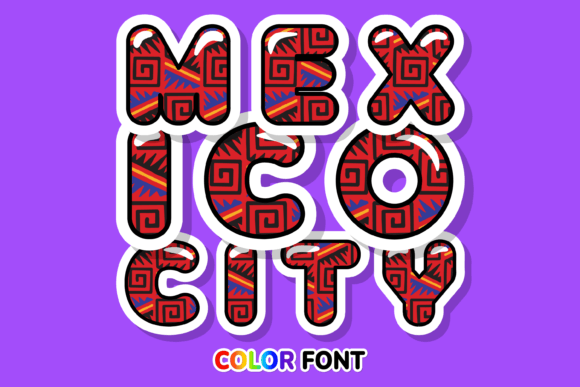
Mexico City: A Color Font with a Modern Edge
There’s a certain energy to Mexico City—a blend of history and hyper-modernity, of bold color and intricate detail, that feels utterly unique. Capturing that spirit in a design project is no small feat, but sometimes a single asset can provide that essential spark. The Mexico City font, a striking color typeface, offers just that: a vibrant, ready-to-use personality that can instantly elevate a creative project from standard to standout. It’s more than just letters; it’s a built-in color palette and a dose of contemporary flair.
More Than a Font, It's a Design Element
What immediately sets this typeface apart is its nature as an OpenType-SVG color font. Unlike traditional fonts that are single-color, this format allows for multiple colors, gradients, and even texture within each glyph. Imagine a header where the letters themselves contain a subtle watercolor wash or a gradient that moves from a warm terracotta to a deep ocean blue. That’s the visual appeal of Mexico City. It functions as both text and a decorative graphic element, saving designers a step in the creative process.
This characteristic makes it an exceptional choice for projects where visual impact is paramount. Think of a social media graphic that needs to stop the scroll, a website hero section that demands attention, or packaging on a shelf that competes with a dozen others. The built-in color complexity of this display font provides a professional, polished look that can be difficult and time-consuming to achieve manually with standard typefaces.
Practical Applications for Vibrant Branding
For small business owners and entrepreneurs, building a recognizable brand identity is crucial. The Mexico City font offers a fantastic shortcut to a memorable visual signature. Its modern typography style is versatile enough for a range of industries, from boutique hospitality and artisanal food brands to creative agencies and lifestyle blogs.
Consider using it for your primary logo design or for key brand headers on your website. The unique color properties ensure your brand name doesn’t just say something—it *shows* something about your brand’s vibrant, modern, or artistic personality. It pairs surprisingly well with a clean sans serif font for body text, allowing the colorful display type to handle the heavy lifting of first impressions while maintaining readability.
Beyond the logo, its utility spans numerous marketing assets. Use it for:
- Packaging Design: Make product labels and boxes pop on the shelf or in an unboxing video.
- Social Media Graphics: Create eye-catching Instagram Stories, Facebook ads, or Pinterest pins that stand out in a crowded feed.
- Event Invitations & Posters: Inject personality and excitement into announcements for launches, sales, or gatherings.
- Merchandise: Apply it to t-shirts, tote bags, or stickers for a cool, contemporary aesthetic.
- Digital Products: Enhance the cover of an e-book, the title slide of a presentation, or the header of a newsletter.
Pairing and Practicality in Your Workflow
While Mexico City is a showstopper, its effectiveness hinges on thoughtful application. A key piece of practical advice is to treat it as an accent font. Its detailed, colorful nature means it’s best used for headlines, pull quotes, or single impactful words rather than long paragraphs. Overusing it can overwhelm a viewer and dilute its special effect.
Pairing it correctly is where the magic happens. Because it’s so visually rich, balance it with a simple, neutral typeface. A classic sans serif like Helvetica or a modern geometric font works beautifully for body copy, ensuring your text remains highly readable. For a more editorial or elegant feel, a minimalist serif font can create a sophisticated contrast. Always test your font pairings in context—see how they look on a mockup of your website or a draft of your social media post before finalizing.
A critical compatibility note for crafters: This is an OpenType-SVG font file. It is designed to work in advanced graphic software like Adobe Photoshop, Adobe Illustrator, Silhouette Studio (Designer Edition and above), and Inkscape. However, the standard OTF or TTF files are not compatible with Cricut Design Space. If you are creating cut files for a Cricut machine, this particular font style will not work as intended. Always verify software compatibility before purchasing premium fonts for specific hardware like cutting machines.
Considering Commercial Use and Final Thoughts
For those using Mexico City in client work or on products for sale, understanding the license is non-negotiable. This is typically a commercial font, meaning you need to ensure the license covers your intended use—whether that’s for a client’s brand, for print-on-demand merchandise, or for digital product sales. Reputable font foundries provide clear licensing terms; always review them to avoid legal pitfalls down the road. This due diligence is a mark of a professional and protects both you and your clients.
Ultimately, a font like Mexico City is a powerful tool in a designer’s or creator’s toolkit. It’s not a magic solution for every project, but when its bold, colorful personality aligns with your brand’s voice and project goals, it can do a lot of the heavy visual lifting. It encourages experimentation with color and composition, pushing projects toward a more engaging and polished final presentation. By using it strategically and pairing it wisely, you can harness its vibrant energy to create designs that are not only seen but remembered.