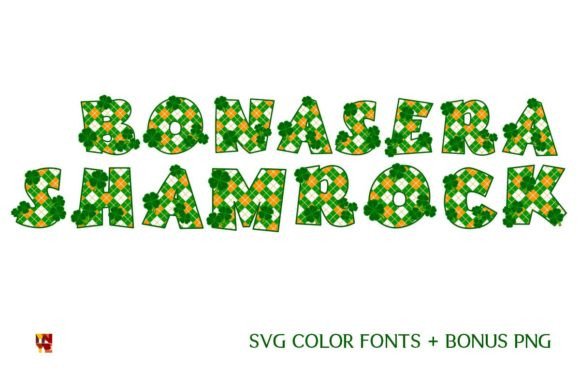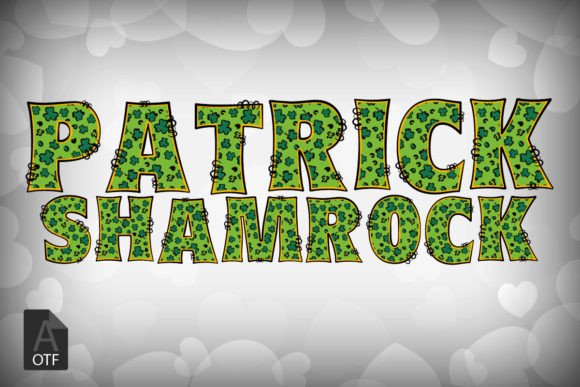
Patrick Shamrock: A Fun and Lucky Color Font for Every Design
Let's be honest: most fonts are forgettable. They're workhorses, sure, but they don't make you stop scrolling or lean in closer. Then you stumble across something like Patrick Shamrock, and suddenly typography feels less like a technical requirement and more like the main event. This isn't just another typeface sitting quietly in your font menu. It's a character, a mood, a tiny celebration on the page.
What makes it different? The color. While traditional fonts rely on a single shade, Patrick Shamrock comes alive with built-in color gradients and layered detail. Think of the richness you see in a stained-glass window or the iridescent shimmer on a beetle's wing — that's the kind of visual depth we're talking about. Each letterform carries dimension, shadow, and a sense of playful energy that flat fonts simply can't replicate. It's the kind of detail that makes people pause and actually read what you've written.
Where This Font Actually Shines
Here's where I'll get practical, because a pretty font is worthless if it doesn't serve a purpose. I've seen designers and business owners struggle with the same problem repeatedly: their brand looks generic. Everything is Helvetica or a safe sans serif, and nothing feels distinct. Patrick Shamrock solves that specific problem for specific use cases.
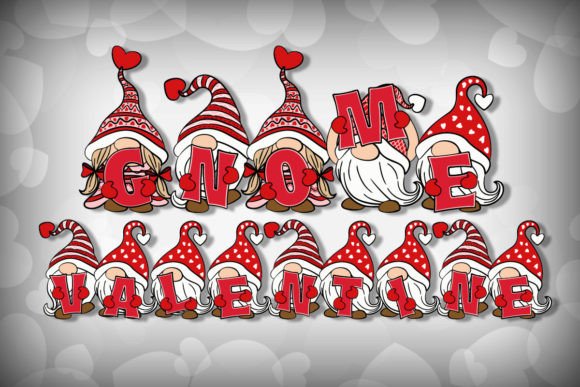
Imagine you run a small bakery that specializes in themed cakes. Your packaging needs to pop on a shelf next to dozens of competitors. A display font like this one, with its eye-catching color detail and celebratory personality, immediately communicates fun, craftsmanship, and something worth noticing. The same logic applies to:
- Logo design for brands that want to feel approachable and memorable rather than corporate
- Social media graphics where you're fighting for attention in a sea of content
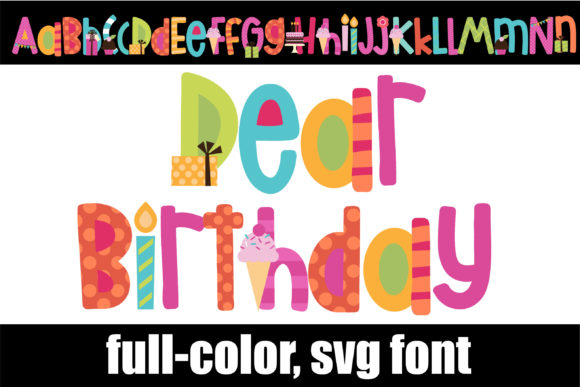
- Event invitations — think birthday parties, themed galas, or seasonal promotions
- Merchandise like T-shirts, tote bags, and stickers where visual impact is everything
- Poster design for festivals, sales events, or community gatherings
- Digital products such as printable planners, worksheets, or kids' activity sheets
- Website headers that need personality without sacrificing clarity
- Packaging design for products targeting younger demographics or gift markets
The key is matching the font's energy to your project's goals. Patrick Shamrock isn't the right choice for a law firm's annual report or a medical brochure. But if your audience responds to warmth, whimsy, and visual storytelling, this typeface delivers something most creative fonts only promise.
Building Brand Recognition With Distinctive Typography
Think about the brands you recognize instantly. Coca-Cola's script. Disney's whimsical lettering. Target's clean sans serif. Typography is one of the fastest ways to build visual consistency across every touchpoint, and choosing a font with real personality accelerates that process.
When you use Patrick Shamrock across your marketing assets — your Instagram posts, your email headers, your product labels — you create a thread that ties everything together. People start associating that specific look with your brand. It's not just about being pretty; it's about being recognizable.
That said, a few practical tips from someone who's made typography mistakes so you don't have to:
- Pair it wisely. A bold display font like this needs a calm companion. Use it for headlines and titles, then pair it with a clean sans serif or simple serif font for body text. The contrast creates hierarchy without chaos.
- Test at multiple sizes. A font that looks gorgeous at 72 points might lose legibility at 24. Always preview your work at the actual size your audience will see it — whether that's a phone screen or a printed poster.
- Watch your background. Color fonts interact with their surroundings differently than standard typefaces. Test against light, dark, and textured backgrounds to make sure the detail doesn't get lost.
- Don't overuse it. The charm of a fun and lucky color font fades fast if every single word on the page screams for attention. Strategic placement matters more than volume.
For small business owners especially, investing in a premium font like this can feel like a splurge. But consider the alternative: spending hours tweaking free fonts that never quite look right, or worse, using the same overused typefaces as everyone else in your niche. A distinctive typeface is a design asset that pays for itself the first time a customer remembers your brand because of how it looked.
Practical Details Worth Knowing
Before you commit any font to a project, a few things deserve your attention. First, licensing. Patrick Shamrock is built for commercial use, which means you can legally use it in client work, products for sale, and branded materials without worrying about attribution headaches or hidden restrictions. Always double-check the specific license terms included with your download, but a properly licensed commercial font removes one major stress point from the design process.
Second, explore what's actually included. Many modern typefaces ship with multiple styles, alternate characters, ligatures, and extras that most people never discover because they don't look beyond the default. Open your font panel, experiment with stylistic alternates, and see what options exist. You might find a swash or a decorative variant that perfectly suits a specific headline or logo variation.
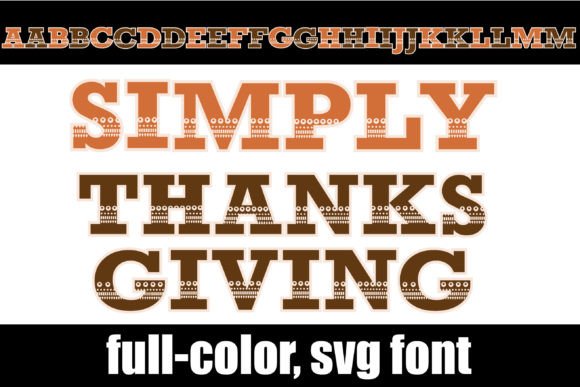
Third, consider the technical side. Color fonts behave differently across platforms and applications. They typically work best in design software that supports OpenType-SVG or COLR formats — think recent versions of Adobe Illustrator, Photoshop, or Affinity Designer. Web support is growing but still inconsistent, so test thoroughly before relying on a color font for critical web design elements. Having a standard fallback version in your toolkit is always smart planning.
Why Details Matter More Than You Think
We live in a world where people make snap judgments constantly. A potential customer glances at your Instagram grid for maybe two seconds before deciding whether to follow. A reader scans your blog header and unconsciously decides if your content feels trustworthy. A shopper picks up your product, and the packaging typography influences whether it goes in the cart or back on the shelf.
Those moments are won or lost on visual details. A highly detailed font with personality doesn't guarantee success, but it removes one barrier between you and your audience. It says, someone cared about how this looks. That care translates into perceived quality, and perceived quality drives engagement, shares, and sales.
Patrick Shamrock brings that level of care baked into every glyph. The color gradients, the dimensional shading, the playful proportions — all of it works together to create an impression that generic typography simply cannot match. Whether you're designing a one-off party invitation or building an entire brand identity from scratch, having a resource like this in your font library gives you options that most designers overlook.
The best creative decisions happen when you stop asking "what's safe?" and start asking "what's right for this specific project and this specific audience." Sometimes the answer is a quiet, professional serif. And sometimes, the answer is a fun, lucky, eye-catching color font that makes people smile before they've even read a single word.