Playground: A Fun, Colorful Font for Creative Projects
There’s a certain magic in typography that can instantly transport you to a different mood or memory. Think of the playful, hand-painted signs at a summer carnival, the cheerful lettering on a child’s favorite cereal box, or the whimsical title of a beloved storybook. That feeling of joy, comfort, and approachable fun is exactly what the Playground font captures. It’s more than just a set of letters; it’s a design asset built to inject personality and warmth into your work, making it an excellent choice for anyone looking to create a welcoming and engaging visual presence.
Understanding the Visual Appeal of This Playful Typeface
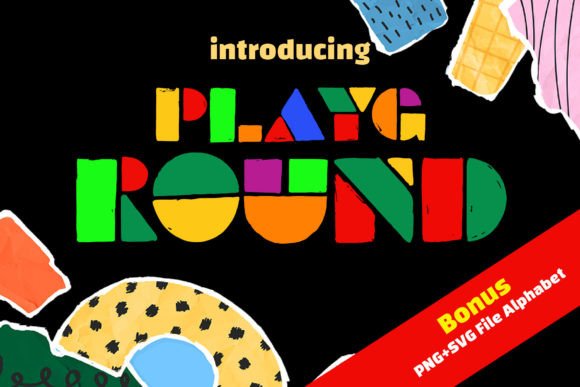
At its core, Playground is a display font characterized by its rounded, friendly forms and inherent sense of whimsy. Its letters feel soft and inviting, avoiding sharp edges in favor of smooth curves that mimic the feel of hand-lettering or even gentle, molded shapes. This design philosophy makes it a natural fit for projects targeting a younger audience or for brands that want to convey a sense of approachability, innocence, and fun. The visual weight is balanced, ensuring it stands out as a headline or logo element without overwhelming a design.
A crucial detail to note is that Playground is a color font, specifically an OpenType-SVG font. This technology allows the font file itself to contain rich color gradients, textures, and even transparency effects directly within each glyph. When you type with Playground, you’re not just getting a solid color; you’re applying a pre-designed, multi-colored visual texture to your text. This feature is a massive time-saver for creating eye-catching headers, social media graphics, and merchandise where you want that polished, multi-hue look without manually editing each letter in a graphics program.
Practical Applications: Where This Font Truly Shines
The real value of a creative font like Playground is in its application. Its versatile, happy aesthetic lends itself to a wide range of creative and commercial projects. For branding and logo design, it’s an ideal choice for businesses in the children’s products, family entertainment, baking, party supplies, or casual lifestyle sectors. Imagine a logo for a daycare center, a boutique bakery, or a kids’ clothing line—Playground immediately communicates the brand’s core personality.
Beyond logos, its use extends powerfully into packaging design. Product labels for toys, snacks, crafts, or cosmetics aimed at a fun-loving demographic can benefit from its cheerful tone. The font’s built-in color effects can make packaging pop on a crowded shelf. Similarly, for social media graphics, it’s a standout choice. Instagram stories, Facebook ads, Pinterest pins, and YouTube thumbnails that use Playground can grab attention quickly in a fast-scrolling feed, helping to boost engagement and click-through rates.
Don’t limit it to digital-only projects, though. This premium font is equally effective for print materials like event posters for community fairs, children’s book titles, greeting cards, and party invitations. For entrepreneurs and small business owners, it can elevate the look of thank-you cards, business cards for creative services, or promotional flyers. It brings a consistent, professional yet playful touch to all your marketing assets.
Integrating Playground into Your Design Workflow
Using a specialized font like this effectively requires a bit of strategy. First, consider your project’s goal and audience. Playground excels where a sense of joy, comfort, and approachability is desired. It might not be the right fit for a law firm or a luxury watch brand, but it’s perfect for a children’s museum or a community garden project.
Next, think about font pairing. A bold, character-rich display font like Playground often works best when balanced with a clean, simple sans-serif or serif font for body text. This contrast ensures readability for longer paragraphs while allowing the display font to command attention in headlines and key phrases. For example, pairing it with a neutral sans-serif like Montserrat or Lato creates a modern yet friendly hierarchy.
Finally, always test your typography in context. Place your Playground headlines on a mockup of your website, packaging, or social media graphic. Check the readability at different sizes, especially if using the full color effect. While the color SVG version is stunning, you may also receive standard OTF/TTF versions. These are perfect for situations where you need a solid color version, for printing in single-color ink, or for use in software that doesn’t support color fonts. This versatility is a key part of its value as a design asset.
Important Technical and Licensing Considerations
Before you download and start creating, a couple of practical notes are essential. As mentioned, this is an OpenType-SVG color font. This means it has specific software compatibility. It works seamlessly in modern versions of Adobe Photoshop, Illustrator, Silhouette Studio, and Inkscape. However, it is not compatible with Cricut Design Space due to that software’s technical limitations with color fonts. If you are a crafter using a Cricut machine, you would need to use the standard OTF/TTF files for a single-color version of the design.
Understanding the licensing is also critical for commercial use. Always review the license that comes with your font purchase. Most commercial fonts like this one allow for use in projects where the font is embedded or flattened (like in a logo or a printed product), but they typically restrict redistribution of the font files themselves. Knowing these boundaries ensures you can use Playground confidently in your client work, merchandise, and digital products without legal concerns.
In the crowded world of typography, finding a font that is both visually distinctive and functionally versatile can transform your creative output. Playground offers that rare combination of playful charm and technical sophistication. By thoughtfully incorporating it into your projects—whether for a client’s brand identity, your own product line, or a personal creative endeavor—you can create designs that don’t just communicate, but truly connect with your audience on an emotional level. It’s a tool that doesn’t just spell out words; it helps tell a story.