Give a Green Hoot: The Color Font That Brings a Smile to Your Designs
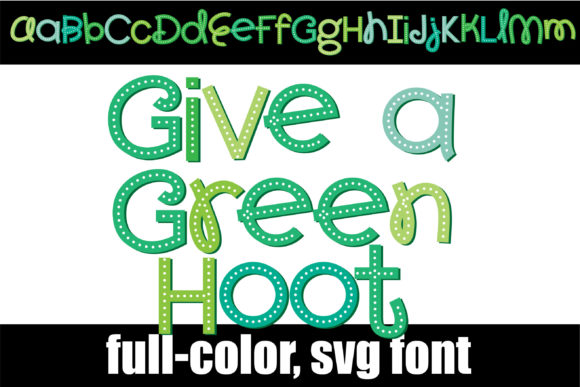
There's a moment in every creative project when you know you've found something special. Maybe it's a color palette that feels just right, an image that captures exactly what you want to say, or in this case, a typeface that instantly communicates warmth and personality. Give a Green Hoot is one of those rare finds—a color font that doesn't just sit on the page but actively engages your audience with its friendly, approachable vibe.
What makes this particular typeface stand out in a sea of design assets? It's the way it balances playful charm with genuine readability. The letterforms have a hand-drawn quality that feels personal without sacrificing clarity, making it suitable for both casual projects and professional applications. Whether you're designing a logo for a new eco-friendly brand, creating social media graphics for a community event, or putting together invitations for a backyard party, this font brings a consistent sense of approachability that's hard to find elsewhere.
Practical Applications for Real-World Projects
Let's talk about where this font actually works in practice. For small business owners developing their brand identity, choosing the right typography is crucial. The friendly nature of Give a Green Hoot makes it particularly effective for brands that want to appear welcoming and trustworthy—think local bakeries, children's education services, wellness coaches, or sustainable product lines. When used in logo design, it immediately sets a tone that says "we're approachable and genuine," which can be a powerful differentiator in crowded markets.
Packaging design is another area where this font shines. Imagine a line of organic snacks or handmade soaps with labels that feel personal and artisanal. The color font aspect adds visual interest that monochrome typefaces simply can't match, helping products stand out on shelves or in online marketplaces. For digital creators, it works beautifully in social media graphics where stopping the scroll is essential—the friendly aesthetic draws viewers in while maintaining enough structure to keep messages clear.
Beyond commercial applications, consider how this font could enhance personal projects. Birthday invitations, holiday cards, family newsletters, or even school presentations all benefit from typography that feels warm and engaging. The fact that it's a color font means you get built-in visual interest without needing to add additional design elements, streamlining your creative process while maintaining professional results.
Building Visual Consistency Across Your Brand
One of the biggest challenges in design—whether for personal or professional use—is maintaining consistency across different platforms and materials. When you find a typeface that aligns with your project's personality, using it consistently helps build recognition and trust. Give a Green Hoot's distinctive yet versatile character makes it well-suited for creating a cohesive visual language across various touchpoints.
Consider using it as your primary display font for headlines and key messaging, paired with a clean sans serif font for body text. This combination gives you the best of both worlds: personality where it matters most, with readability for longer content. Many designers find that establishing a clear typographic hierarchy like this actually makes their workflow more efficient because they're not constantly searching for new fonts for each project.
For those managing multiple projects or client work, having a go-to font that works across different contexts can save considerable time. The friendly, approachable nature of this particular typeface makes it suitable for a surprising variety of applications—from children's educational materials to wellness brands to community organizations. This versatility means you might find yourself returning to it more often than you initially expected.
Technical Considerations for Seamless Implementation
Understanding the technical aspects of any design asset is just as important as appreciating its aesthetic qualities. As a color font using OpenType-SVG technology, Give a Green Hoot works differently than traditional monochrome fonts. This format preserves the color information within the font file itself, which means you get the intended design without needing to apply additional effects or layering techniques in your design software.
Compatibility is an important consideration. This font works with popular design applications including PhotoShop, Illustrator, Silhouette, and Inkscape, giving you flexibility across different creative workflows. However, it's worth noting that the OTF and TTF files aren't compatible with Cricut machines, which is a common consideration for crafters and those working with cutting machines. If you're primarily working in digital environments or with compatible software, this won't be an issue, but it's always wise to check technical specifications before purchasing any design asset.
For those new to working with color fonts, there's a learning curve, but it's well worth the investment. The ability to have multicolored typography without complex layering or additional effects opens up creative possibilities that were previously more time-consuming to achieve. Many designers find that once they start incorporating color fonts into their workflow, they discover new ways to enhance their projects that they hadn't considered before.
Font Pairing and Readability Best Practices
No font exists in isolation—its effectiveness often depends on how it's paired with other typefaces and how it's implemented within a larger design system. The friendly, somewhat playful character of Give a Green Hoot makes it work particularly well with clean, neutral sans serif fonts for body text. Think of it as the personality font that does the heavy lifting for headlines, calls to action, or key messages, while a more subdued typeface handles the supporting content.
When testing font pairings, always consider your specific context. A combination that works beautifully for a children's party invitation might not be appropriate for a professional services brochure. Take the time to mock up actual applications—don't just look at the fonts in isolation. Create sample layouts that reflect how you'll actually use them, paying attention to spacing, contrast, and overall visual balance.
Readability should always be a priority, especially for body text or smaller applications. While display fonts like this one are designed to attract attention, they should never compromise comprehension. Test your designs at different sizes and in various contexts to ensure your message remains clear. This is particularly important for digital applications where screen sizes and viewing conditions vary widely.
Licensing and Commercial Considerations
For professionals and entrepreneurs, understanding licensing is just as important as the creative aspects of any design asset. When you're using typography for commercial purposes—whether in client work, products for sale, or marketing materials—ensuring you have the appropriate rights is essential. Most premium fonts come with licensing that covers various commercial applications, but it's always worth reviewing the specific terms before incorporating any font into your professional workflow.
The value of a well-chosen font extends beyond its immediate aesthetic appeal. A typeface that aligns with your brand personality can become a recognizable element that strengthens your visual identity over time. This is particularly true for distinctive fonts like Give a Green Hoot, which has enough character to be memorable without being so unusual that it limits your creative options.
As you explore different typography options for your projects, remember that the best choices are those that serve your specific goals while resonating with your intended audience. Sometimes the most effective solution is a font that doesn't just look good, but feels right—one that communicates the subtle qualities you want to be known for, whether that's friendliness, professionalism, creativity, or trustworthiness. In that regard, finding the right typeface is less about following trends and more about discovering the visual voice that authentically represents your message.