Pasto Pizzeria: A Font That Brings Flavor to Your Designs
There's a moment in every designer's work when a project needs more than just clean typography—it needs personality. Maybe you're laying out a menu for a neighborhood pizzeria, creating a poster for a food festival, or building a brand identity for a new delivery service. The words on the page matter, but how they look matters just as much. That's where a typeface like Pasto Pizzeria enters the picture, offering something most standard fonts simply can't: a built-in sense of warmth, appetite, and visual storytelling.
What Makes This Typeface Stand Out
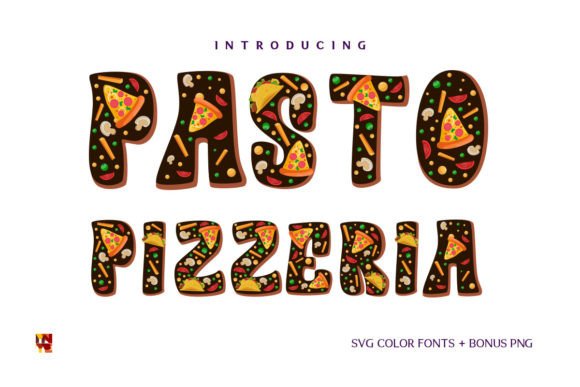
Pasto Pizzeria isn't your typical display font. At its core, it's an artistic color font that incorporates pizza-themed illustrations directly into its letterforms. Think of it as typography with a side of character—each letter carries subtle (or sometimes bold) visual nods to the world of Italian food culture. The result is a typeface that immediately communicates a specific mood: casual, fun, approachable, and undeniably food-focused.
What sets it apart from other creative fonts is how it balances decorative flair with functional design. Some novelty fonts sacrifice readability for style, leaving designers frustrated when they try to use them in real-world applications. Pasto Pizzeria manages to stay legible while still delivering that unmistakable visual punch. The letter shapes are clear enough for headlines and short text blocks, yet detailed enough to serve as a focal point in any layout.
Where This Font Truly Shines
The practical applications for a typeface like this are broader than you might initially think. Yes, it's an obvious fit for pizza restaurant branding—menus, signage, loyalty cards, and delivery boxes. But its usefulness extends well beyond the food industry.
Consider these scenarios where Pasto Pizzeria could elevate a project:
- Logo design for food trucks, catering companies, or cooking blogs that want an inviting, handmade feel without commissioning custom lettering.
- Social media graphics for restaurants running weekend specials, food influencers creating recipe posts, or event planners promoting a themed dinner party.
- Packaging design for artisan food products, specialty sauces, or snack brands targeting a fun, approachable demographic.
- Poster and flyer layouts for community events, school fundraisers, or local festivals with a food component.
- Blog headers and website banners for food bloggers, recipe sites, or culinary magazines looking to inject personality into their digital presence.
- Invitations and greeting cards for pizza nights, birthday parties, or casual get-togethers where a playful tone is exactly right.
- Merchandise like t-shirts, tote bags, or aprons for restaurant staff or food-themed brands.
- Editorial layouts in food magazines, cookbooks, or restaurant review sections where a headline needs to grab attention instantly.
In each of these cases, the font does more than display words—it sets a tone. It tells the viewer, before they've even read the content, what kind of experience to expect.
Pairing Pasto Pizzeria With Other Typefaces
One of the most common questions designers ask about display fonts is how to pair them effectively. A decorative typeface like Pasto Pizzeria works best when it's given room to breathe, which means using it strategically rather than saturating an entire layout with it.
A solid approach is to reserve Pasto Pizzeria for headlines, titles, or hero text—places where its personality can make the strongest impression. For body copy, subheadings, or supporting information, pair it with a clean sans serif font. Something like a modern geometric sans serif or a humanist typeface will provide contrast without competing for attention. The visual hierarchy becomes clear: the display font draws the eye, and the body font keeps the reader grounded.
If your project leans more traditional or rustic, you might experiment with pairing it alongside a classic serif font. The combination of an illustrative display face with a refined serif can create an interesting tension between playful and polished—particularly effective for editorial design or upscale casual dining branding.
The key principle is balance. Let the decorative font carry the emotional weight of the design while the supporting typeface handles the practical work of delivering information clearly.
Readability and Practical Considerations
Even the most visually striking font needs to be usable. Before committing Pasto Pizzeria to a project, it's worth running a few quick tests. Set your headline text at the size it will appear in the final design—whether that's on a printed menu, a website banner, or a social media post—and check that every letter is distinct and easy to read at a glance.
Color fonts sometimes behave differently across platforms and printing methods. What looks vibrant on screen might need adjustment for print, especially if you're working with CMYK color profiles. Testing early and often prevents surprises down the line. If the color version of the font doesn't translate well to a specific medium, check whether the typeface includes a standard single-color version as a fallback.
Spacing and kerning are also worth attention. Decorative fonts occasionally need manual adjustments to letter spacing, particularly when used at larger sizes. A few minutes of fine-tuning can make the difference between a design that looks polished and one that feels slightly off.
Building Brand Recognition With the Right Typeface
Typography is one of the most powerful tools in a brand identity system. Think about how instantly recognizable certain restaurant chains have become, partly because of their consistent use of specific typefaces. The font you choose for a food brand doesn't just communicate a name—it communicates values, personality, and positioning.
For a casual dining establishment, a food truck, or a specialty food brand, Pasto Pizzeria offers a shortcut to that kind of personality. It signals warmth and approachability without requiring a lengthy design process to achieve it. When used consistently across menus, signage, social media, and packaging, it becomes part of the brand's visual language—a recognizable element that customers associate with the experience of the food itself.
That consistency is where real brand recognition lives. It's not about using the flashiest font available; it's about choosing one that aligns with your brand's character and using it reliably across every touchpoint.
Licensing and Commercial Use
Before using any premium font in a commercial project, it's smart to review the licensing terms. Different font licenses cover different use cases—some allow unlimited commercial use, while others restrict the number of devices, projects, or print runs. If you're designing for a client, make sure the license covers their intended use, not just your own workflow.
For designers who work across multiple projects, understanding font licensing upfront saves headaches later. Keep records of your font purchases and their associated licenses so you can reference them quickly if questions arise.
A typeface like Pasto Pizzeria, with its strong visual identity, is the kind of design asset that earns its place in a toolkit. Used thoughtfully, it brings a specific flavor to projects that generic fonts simply can't match—whether you're designing for a neighborhood pizzeria, a food blog, or a creative campaign that needs a little extra warmth on the page.