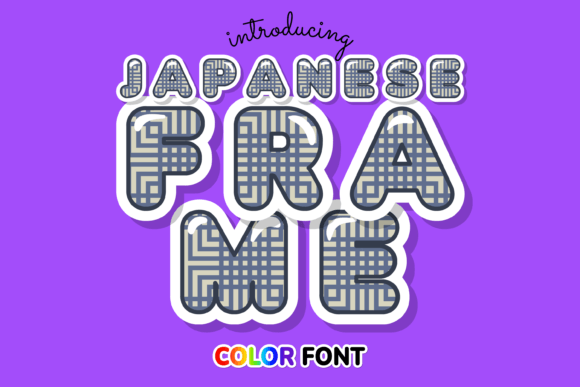
Japanese Frame: A Color Font for Eye-Catching Designs
There’s a specific kind of frustration that comes with finding the perfect design element, only to realize it’s flat, static, and lacking the vibrancy you need. You want something that pops, something that carries a bit of artistry within the letters themselves. If you’ve been searching for a way to inject energy and a modern aesthetic into your work without spending hours layering gradients or textures, you might find your solution in a typeface that does the heavy lifting for you. Enter Japanese Frame, a creative asset that redefines what we expect from digital typography.
Unlike standard vector fonts that rely on a single solid color, this specific typeface is an incredibly cool color font. It leverages OpenType-SVG technology to deliver multi-color and gradient effects directly within the letterforms. This means you get the richness of a graphic image with the flexibility of editable text. Whether you are looking to create custom designs, dive into DIY crafts, or simply add a lovely touch to a digital project, this font offers a visual depth that traditional fonts simply cannot match. It is a premium font choice for anyone who wants their text to be the focal point of the composition.
Understanding the Technical Edge of OpenType-SVG
Before diving into creative applications, it is helpful to understand what makes this typeface different from the standard OTF or TTF files sitting in your library. Japanese Frame is built on OpenType-SVG technology. In simple terms, this format allows the font file to contain high-resolution bitmap data. This is how you achieve those smooth gradients, textures, and multi-color effects that usually require complex design work.
However, this power comes with specific compatibility requirements that you need to keep in mind for a smooth workflow. Because it is a color font, it works best with software that supports the OpenType-SVG standard. You will find that it functions seamlessly in PhotoShop, Illustrator, Silhouette, and Inkscape. These platforms allow the font to render its full color capabilities.
A Crucial Note on Cutting Machines: If you are a crafter using a Cricut machine, you will need to take a different route. The OTF and/or TTF files of this product are not compatible with Cricut Design Space due to how that software interprets font data. If you are unsure about how to manage these file types or need workarounds for different software, checking a comprehensive guide—such as the Ultimate Font Guide—is highly recommended to ensure you are setting up your files correctly.
Why Visual Depth Matters in Modern Branding
In a crowded digital marketplace, visual consistency and brand recognition are paramount. You are competing with thousands of other logos, posts, and advertisements for a split second of your audience's attention. A standard sans serif font does the job for body text, but when it comes to headers, logos, and social media graphics, you need a display font that commands attention.
Japanese Frame serves as a powerful tool for brand identity. Because the font itself contains color and texture, it helps establish a professional presentation that feels polished and intentional. Imagine a bakery logo that uses a script font for a whimsical feel, or a tech startup that uses a bold, modern typeface. Now imagine those headers having built-in gradients or artistic flair. It elevates the design from "text on a page" to a visual asset.
For small business owners and entrepreneurs, this is a game-changer. You might not have the budget to hire a graphic designer for every single Instagram story or seasonal sale flyer. By having a high-quality creative font in your toolkit, you can maintain a high-end look across all your marketing assets without needing advanced editing skills.
Creative Applications: From Packaging to Social Media
The versatility of a color font extends far beyond just making a title look pretty. When you treat the font as a design asset rather than just a typing tool, you open up a world of possibilities for various projects. Here are some practical ways to utilize the visual characteristics of Japanese Frame:
- Packaging Design: If you sell physical products, your packaging is your silent salesperson. Using this font for product names or flavor labels can instantly communicate quality and style. It draws the eye on a shelf or in an unboxing video.
- Social Media Graphics: Algorithms favor engagement, and bold visuals stop the scroll. Use this typeface for quote graphics, announcement headers, or sale banners. The built-in color ensures your text is readable even against complex photo backgrounds, provided you choose the right image.
- Invitations and Stationery: For those in the wedding or event industry, or even hobbyists making birthday cards, this font adds a "hand-crafted" digital feel. It mimics the look of foil stamping or watercolor lettering but is much faster to produce.
- Merchandise and Apparel: If you are designing T-shirts, tote bags, or mugs, a display font like this works beautifully as a central graphic element. It stands alone as art, reducing the need for complex illustrations to fill the space.
- Editorial Layouts and Blogs: Use it for pull quotes or chapter headers in a digital magazine. It breaks up the monotony of text-heavy pages and keeps readers engaged.
Mastering Font Pairings and Readability
One of the most common mistakes in typography is using a decorative font for everything. While Japanese Frame is visually striking, it is best used as an accent—think of it as the jewelry of your design, not the clothes. This is where font pairing comes into play.
Because this font is bold and detailed, it pairs best with clean, neutral typefaces. A simple sans serif font or a clean serif font for your body text will allow the headers to shine without causing visual clutter. For example, if you are designing a poster, use Japanese Frame for the main headline to grab attention, and then use a legible, standard weight font for the date, time, and location details.
Readability Considerations: While the font is beautiful, you must always prioritize the message. Avoid using this typeface for long paragraphs or small body copy. At smaller sizes, the intricate details of a color font can become muddy or hard to read. Keep it large and let it breathe. Test your designs on different screens—what looks crisp on a desktop monitor might lose detail on a small mobile screen if the font size is too small.
Matching Typography to Project Goals
Choosing the right font style is about psychology as much as aesthetics. Different typefaces evoke different emotions. A heavy, bold weight feels strong and stable, while a lighter weight might feel airy and elegant. When incorporating Japanese Frame into your work, consider the "vibe" of the specific project.
Are you launching a summer campaign? The bright, colorful nature of the font fits perfectly. Are you designing a winter holiday card? You might need to adjust the colors in your design software (if the font allows) or pair it with cooler tones to match the season.
For content creators and marketers, the goal is often engagement. A "modern typography" approach suggests that fonts should reflect the content's voice. If you are writing a blog post about a fun, creative topic, a playful display font sets the mood before the reader even starts the first sentence. If you are creating a formal business proposal, you might reserve this font only for the cover page to show creativity, while keeping the internals strictly professional.
Practical Tips for Your Workflow
To get the most out of this asset, treat it like any other professional tool. Here is a quick checklist to ensure a smooth creative process:
- Review the Styles: Does the font family come with variations? Sometimes a "Frame" font includes a solid version or a shadow version. Knowing exactly what is in your download folder helps you mix and match elements for a custom look.
- Test Before You Commit: Don't wait until the final export to see how the font looks. Set up a mock-up early in the design process. Place it against your brand colors to ensure the "color" in the font doesn't clash with your background palette.
- Licensing: Always double-check the commercial licensing. If you are using this for a client project or selling merchandise, ensure your license covers "commercial font" usage. This protects you legally and supports the type designers who create these tools.
- File Management: Since you are dealing with specific formats (SVG-OTF), keep them organized. If you use multiple computers, ensure your cloud sync can handle these files, or use a font manager to keep track of your design assets.
Ultimately, Japanese Frame is more than just a set of letters; it is a shortcut to high-impact design. It bridges the gap between static text and graphic art, allowing you to create professional, eye-catching visuals that resonate with your audience. Whether you are revamping a brand identity or simply making a flyer for a local event, having a font with this kind of built-in personality ensures your work stands out.